Third Pole Melting: Arunachal Glaciers Retreating by 16.94 Sq Km/Year | Current Affairs | Vision IAS
MENU
Home

Periodically curated articles and updates on national and international developments relevant for UPSC Civil Services Examination.

Quick Links

High-quality MCQs and Mains Answer Writing to sharpen skills and reinforce learning every day.

Watch explainer and thematic concept-building videos under initiatives like Deep Dive, Master Classes, etc., on important UPSC topics.

ESC

Daily News Summary

Get concise and efficient summaries of key articles from prominent newspapers. Our daily news digest ensures quick reading and easy understanding, helping you stay informed about important events and developments without spending hours going through full articles. Perfect for focused and timely updates.

News Summary

Sun Mon Tue Wed Thu Fri Sat

Third Pole Melting: Arunachal Glaciers Retreating by 16.94 Sq Km/Year

20 Feb 2025
1 min

Glacier Retreat in Arunachal Pradesh

Recent research conducted by Nagaland University and Cotton University has documented significant glacier retreat in Arunachal Pradesh over the past three decades, a critical concern given the Himalayas' status as the Third Pole and its crucial role as a freshwater source for over 1.3 billion people.

Key Findings

  • The research used remote sensing and geographic information systems (GIS) to analyze changes from 1988 to 2020.
  • Most glaciers are located between 4,500 m to 4,800 m above sea level, with an average loss of 16.94 sq km per year.
  • Smaller glaciers (less than 5 sq km) are retreating at a faster pace.

Consequences and Risks

  • Communities relying on glacial meltwater for agriculture and drinking face potential water shortages.
  • Initial effects of melting glaciers may include flooding and unstable river flows.
  • Long-term effects may lead to reduced water availability due to diminished glacial mass.
  • The formation and expansion of glacial lakes could lead to destructive floods through glacial lake outbursts.

Need for Further Studies

The research highlights the lack of studies focused on the Eastern Himalayas, stressing the need for continued monitoring and improved climate adaptation strategies to manage water resources effectively.


Explore Related Content

Discover more articles, videos, and terms related to this topic

RELATED VIDEOS

3
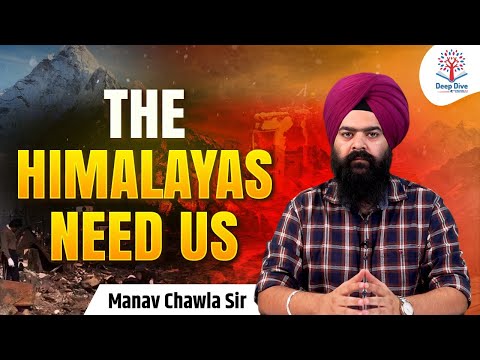
Deep Dive with VisionIAS | The Himalayas Need Us

Deep Dive with VisionIAS | The Himalayas Need Us

YouTube HD
Carbon Markets

Carbon Markets

YouTube HD
What is Artificial Rain? | Deep Dive With VisionIAS

What is Artificial Rain? | Deep Dive With VisionIAS

YouTube HD
Title is required. Maximum 500 characters.

Search Notes

Filter Notes

Loading your notes...
Searching your notes...
Loading more notes...
You've reached the end of your notes

No notes yet

Create your first note to get started.

No notes found

Try adjusting your search criteria or clear the search.

Saving...
Saved

Please select a subject.

Referenced Articles

linked

No references added yet