
Personality in News- Saratchandra Chattopadhyay | Current Affairs | Vision IAS

Upgrade to Premium Today

Start Now
MENU
Home
Quick Links

High-quality MCQs and Mains Answer Writing to sharpen skills and reinforce learning every day.

Watch explainer and thematic concept-building videos under initiatives like Deep Dive, Master Classes, etc., on important UPSC topics.

A short, intensive, and exam-focused programme, insights from the Economic Survey, Union Budget, and UPSC current affairs.

ESC

In Summary

  • Saratchandra Chattopadhyay (1876-1938) was a widely read Bengali novelist known for social realism, women's emancipation themes, and reflecting Indian nationalism.
  • His key contributions include portraying social inequalities, widowhood, and patriarchy, with notable works like Devdas and Srikanta.

In Summary

The Prime Minister paid tribute to Saratchandra Chattopadhyay on his 150th birth anniversary, highlighting his enduring contribution to Bengali literature and social consciousness.

About Saratchandra Chattopadhyay (1876-1938)

  • Born: 15 September 1876, Debanandapur, Bengal Presidency
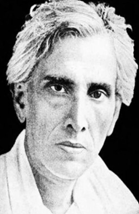
  • Key Contributions: 
    • One of the most widely read Bengali novelists and short-story writers.
    • Literary Significance:
      • Social realism: Portrayed social inequalities, caste and class distinctions, poverty and conservative social practices.
      • Women Emancipation: Explored issues such as widowhood, child marriage, patriarchy, education and women’s autonomy.
      • Nationalism: His writings reflected the intellectual and emotional atmosphere of the Indian nationalist movement.
    • Important works: Devdas, Srikanta, Pather Dabi,etc
Watch Video News Today

Explore Related Content

Discover more articles, videos, and terms related to this topic

RELATED TERMS

3

Nationalist movement

A broad-based movement in India aimed at achieving self-rule and independence from British colonial rule. Understanding its different phases, leaders, and ideologies is vital for UPSC.

Women Emancipation

The process of empowering women to attain social, economic, and political equality with men. In the context of literature and history, it involves analyzing how texts address issues like widowhood, child marriage, patriarchy, and women's autonomy, crucial for understanding social reform movements and gender studies in India.

Social realism

A literary and artistic movement that depicts contemporary social life and conditions in a realistic manner, often focusing on the struggles of ordinary people and addressing issues like inequality, poverty, and social injustice. For UPSC aspirants, understanding social realism helps in analyzing literary works' historical context and societal critiques.

Title is required. Maximum 500 characters.

Search Notes

Filter Notes

Loading your notes...
Searching your notes...
Loading more notes...
You've reached the end of your notes

No notes yet

Create your first note to get started.

No notes found

Try adjusting your search criteria or clear the search.

Saving...
Saved

Please select a subject.

Referenced Articles

linked

No references added yet