Interpreting US trade deal: Focus on the gains from import liberalisation | Current Affairs | Vision IAS

Upgrade to Premium Today

Start Now
MENU
Home
Quick Links

High-quality MCQs and Mains Answer Writing to sharpen skills and reinforce learning every day.

Watch explainer and thematic concept-building videos under initiatives like Deep Dive, Master Classes, etc., on important UPSC topics.

A short, intensive, and exam-focused programme, insights from the Economic Survey, Union Budget, and UPSC current affairs.

ESC

Daily News Summary

Get concise and efficient summaries of key articles from prominent newspapers. Our daily news digest ensures quick reading and easy understanding, helping you stay informed about important events and developments without spending hours going through full articles. Perfect for focused and timely updates.

News Summary

Sun Mon Tue Wed Thu Fri Sat

Interpreting US trade deal: Focus on the gains from import liberalisation

16 Feb 2026
2 min

India-US Trade Agreement: An Analysis

The recent trade agreement between India and the United States has drawn political criticism in India, with concerns of a "wholesale surrender" of national interest. Key themes include economic implications, trade barriers, and strategic autonomy.

Criticism and Economic Perspective

  • Political Criticism: Farmers have protested, and security experts warn of a loss of strategic autonomy due to reduced Russian oil imports.
  • Mercantilist View: The view that exports are beneficial and imports are detrimental is flawed. The real benefits of international trade are imports and the enhancement of Indian firm productivity and economic growth.

Impacts of Trade Agreements

  • Reduction of Trade Barriers: High tariffs on intermediate goods and machinery increase production costs for Indian firms. Reducing tariffs can enhance productivity.
  • Lerner Symmetry Theorem: This concept states that a tax on imports is effectively a tax on exports. Lowering import barriers can improve the competitiveness of Indian exporters.
  • Tariffs on Food: These are considered regressive taxes, disproportionately affecting the poor, who are net buyers of food.

Inconsistencies in Trade Policy

  • Investment Facilitation for Development (IFD): While India seeks to attract investment bilaterally, it blocks initiatives at the World Trade Organization (WTO) aimed at streamlining investment procedures.
  • Digital Economy: India emphasizes cooperation on digital technologies in bilateral agreements but opposes permanent moratoriums on customs duties on electronic transmissions at the WTO.

Challenges and Future Directions

  • Interim Agreement: The current agreement is an interim step with intent but lacks legal obligations, posing risks in the changing global context.
  • Non-Tariff Barriers: There is a need to evolve the approach towards non-tariff barriers with binding clauses and specific timelines for regulatory harmonization.
  • Rules of Origin: As supply chains shift from China, the US will demand strict verification, requiring Indian firms to adapt to transparency and compliance burdens.

Modernizing Indian Trade Policy

  • Deep Trade Agreements: The agreements with the European Union and the United Kingdom should evolve into genuine "deep trade agreements."
  • US Trade Representative Document: India should use this document as a guideline for modernizing its trade policies to reduce friction and boost GDP growth.

Author: Researcher at XKDR Forum

Disclaimer: These views are personal and do not reflect the opinion of Business Standard.

Explore Related Content

Discover more articles, videos, and terms related to this topic

RELATED VIDEOS

3
News Today (Feb 14, 2025)

News Today (Feb 14, 2025)

YouTube HD
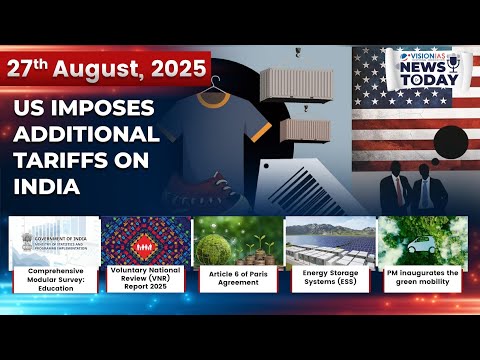
News Today (Aug 27, 2025)

News Today (Aug 27, 2025)

YouTube HD
Role of Indian Diaspora in Making India Self-Reliant

Role of Indian Diaspora in Making India Self-Reliant

YouTube HD

RELATED TERMS

3

Deep Trade Agreements

Trade agreements that go beyond simple tariff reductions to cover a broader range of issues, including services, intellectual property rights, investment, competition policy, and regulatory cooperation. The article suggests that India's agreements should evolve into this form.

Rules of Origin

Rules of Origin are criteria used to determine the national source of a product. In trade agreements like INDAUS ECTA, they are crucial for preventing third-party countries from benefiting unfairly by re-routing goods, thereby ensuring that only goods genuinely originating from the signatory countries receive preferential treatment.

Non-Tariff Barriers (NTBs)

Obstacles to trade other than tariffs, such as quotas, import licensing, and technical regulations. The India-EU FTA aims to tackle NTBs through regulatory cooperation, transparency, and streamlined customs and SPS procedures.

Title is required. Maximum 500 characters.

Search Notes

Filter Notes

Loading your notes...
Searching your notes...
Loading more notes...
You've reached the end of your notes

No notes yet

Create your first note to get started.

No notes found

Try adjusting your search criteria or clear the search.

Saving...
Saved

Please select a subject.

Referenced Articles

linked

No references added yet