Abhyaas
Abhyaas: Turning UPSC Prelims Practice into Performance





For most UPSC aspirants, preparation begins with a sense of exploration—new subjects, unfamiliar concepts, and a vast syllabus that gradually starts to take shape through months of disciplined effort. Over time, what once seemed overwhelming becomes structured. Standard books are covered, notes are consolidated, and important themes begin to repeat themselves across subjects.
At this stage, preparation appears complete in a conventional sense. There is familiarity with content, clarity on key areas, and a growing confidence built through revision.
Yet, this phase also introduces a new kind of uncertainty. It is no longer about whether one has studied enough, but whether one can translate that preparation into performance in the actual examination setting.
This distinction between preparation and performance defines the final phase of the UPSC Preliminary Examination journey.
When Preparation Alone is Not Enough
The Preliminary Examination is often perceived as an objective test of knowledge. However, its real demand lies in how effectively that knowledge is applied under constraints.
- Application Beyond Recall: UPSC questions increasingly require conceptual understanding and the ability to connect ideas across subjects rather than relying on factual memory.
- Decision-Making Under Uncertainty: Aspirants frequently encounter questions where complete certainty is absent. The ability to use elimination techniques becomes critical.
- Balancing Speed and Accuracy: Attempting more questions is beneficial only when accuracy is maintained. Managing this balance is a learned skill.
- Sustaining Focus Under Pressure: Maintaining consistency across 100 questions in a time-bound setting tests both mental stamina and composure.
Together, these demands highlight that Prelims is not just about knowledge—it is about controlled execution.
The Missing Link: Execution Under Exam Conditions
As preparation progresses, the focus must gradually shift from accumulation of content to refinement of execution. This involves developing an approach that is not only academically sound but also practically effective during the exam. In this phase, aspirants need to internalize certain aspects:
- The ability to balance speed with accuracy, without over-attempting or under-attempting
- The discipline to move on from difficult questions instead of getting stuck
- The skill to use elimination techniques confidently, even with partial knowledge
- The habit of maintaining consistency and focus throughout the paper
These are not theoretical concepts. They are behavioural skills that develop only through repeated, structured practice.
Learning from the Approach of Successful Candidates
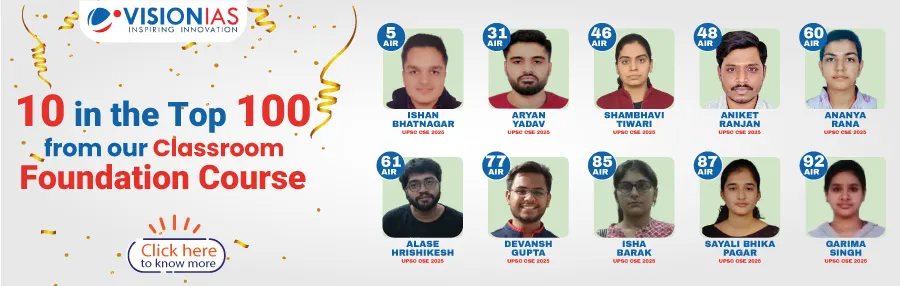
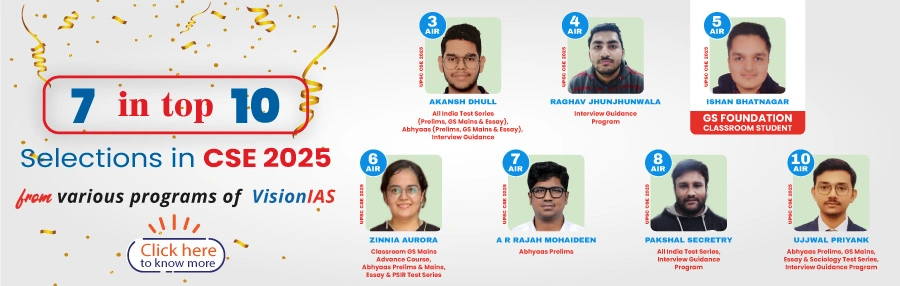
If one reflects on the preparation journeys of UPSC toppers across years, who had attempted Abhyaas prelims, a clear pattern becomes visible. Whether it is Shubham Kumar (AIR 1, CSE 2020), Ankita Agarwal (AIR 2, CSE 2021), Ishita Kishore (AIR 1, CSE 2022), Aditya Srivastava (AIR 1, CSE 2023), Shakti Dubey (AIR 1 CSE 2024) or recent topper Akansh Dhull (AIR 3, CSE 2025), their preparation is marked not just by coverage of content, but by a conscious effort to refine performance.
They consistently move beyond passive study and engage in:
- Full-length testing (GS + CSAT) under timed conditions
- Careful analysis of mistakes and weak areas
- Gradual refinement of attempt strategy
- Exposure to environments that simulate the actual exam
This shift from studying to testing, from reading to reflecting is what enables them to approach the exam with clarity and control.
Abhyaas: A Structured Simulation of Prelims
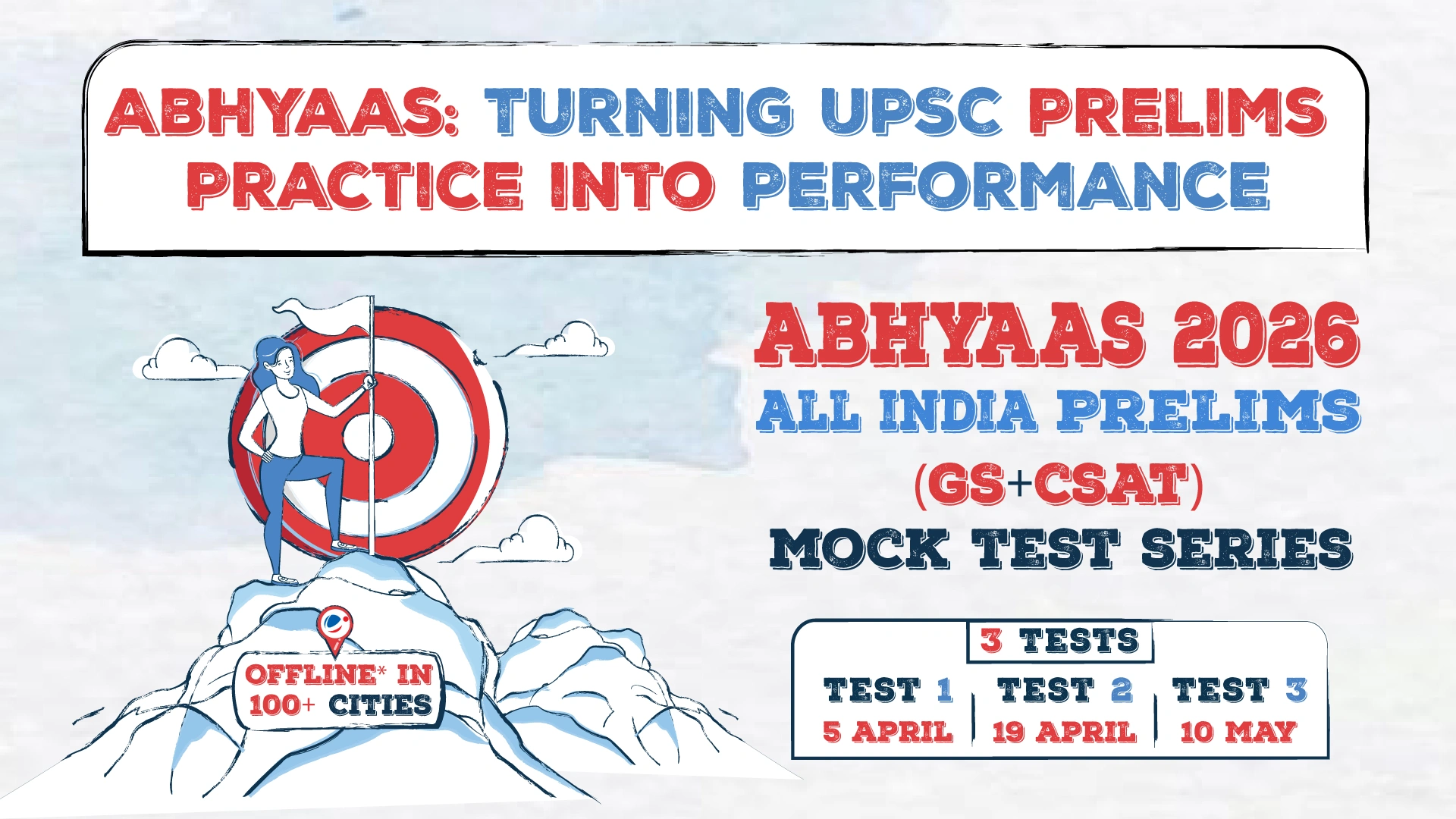
To support this crucial transition, All India Abhyaas Prelims 2026 (GS + CSAT) Mock Test Series is designed as a structured, nationwide simulation of the UPSC Preliminary Examination.
Conducted across 100+ cities, it enables aspirants to attempt full-length General Studies (GS) and CSAT papers in an offline OMR-based format, closely aligned with the actual UPSC exam environment.
For UPSC Prelims 2026, the All India Abhyaas tests are scheduled on: 5 April, 19 April, and 10 May
The structure allows aspirants to go through multiple cycles of testing, where each attempt is followed by reflection and improvement.

Register : Abhyaas Prelims 2026
Key Aspects that Make Abhyaas Effective
- Realistic Examination Experience: Abhyaas recreates the physical and psychological environment of the exam hall, helping aspirants become comfortable with time pressure and competition.
- UPSC-Aligned GS and CSAT Questions: The papers are designed to reflect the conceptual depth and evolving pattern of the UPSC Preliminary Examination.
- All India Benchmarking: Aspirants can assess their performance relative to a wide pool of serious candidates across the country.
- In-Depth Performance Analysis: Detailed insights into performance help identify patterns in mistakes and areas requiring focused improvement.
- Live Test Discussions: Expert-led discussions provide clarity on question-solving approaches and strengthen conceptual understanding.
- Iterative Improvement: Multiple rounds of testing enable aspirants to apply learnings progressively and refine their strategy.
- One-to-One Mentoring: Personalized feedback helps align preparation with exam demands and address individual challenges.
From Preparation to Performance
The final phase of Prelims preparation is not about doing more, but about doing things better.
It is about ensuring that knowledge is not only retained, but also applied effectively under exam conditions. Structured simulations help bridge this gap by converting preparation into measurable performance.
Over time, aspirants develop clarity in their approach, confidence in their decisions, and consistency in their execution.
Conclusion
The UPSC Preliminary Examination is a test where small margins make a significant difference. In such a scenario, the ability to perform under pressure becomes as important as preparation itself. The transition from preparation to performance requires deliberate practice, reflection, and exposure to real exam conditions.
Abhyaas offers a platform for this transition helping aspirants test their readiness, refine their strategy, and approach the examination with greater confidence. Because ultimately, success in Prelims is not determined only by what you have studied, but by how effectively you perform when it matters the most.
Watch VisionIAS Faculties Tips on Abhyaas Prelims 2026