
Personality in News: Sardar Vallabhbhai Patel | Current Affairs | Vision IAS

Upgrade to Premium Today

Start Now
MENU
Home
Quick Links

High-quality MCQs and Mains Answer Writing to sharpen skills and reinforce learning every day.

Watch explainer and thematic concept-building videos under initiatives like Deep Dive, Master Classes, etc., on important UPSC topics.

A short, intensive, and exam-focused programme, insights from the Economic Survey, Union Budget, and UPSC current affairs.

ESC

In Summary

  • Sardar Vallabhbhai Patel, the "Iron Man of India", led successful campaigns against British policies in Kheda and Bardoli Satyagrahas.
  • He presided over the 1931 INC Karachi session, became India's first Deputy PM and Home Minister, and integrated over 560 princely states.

In Summary

Prime Minister paid tribute to Sardar Vallabhbhai Patel at Somnath, Gujarat.

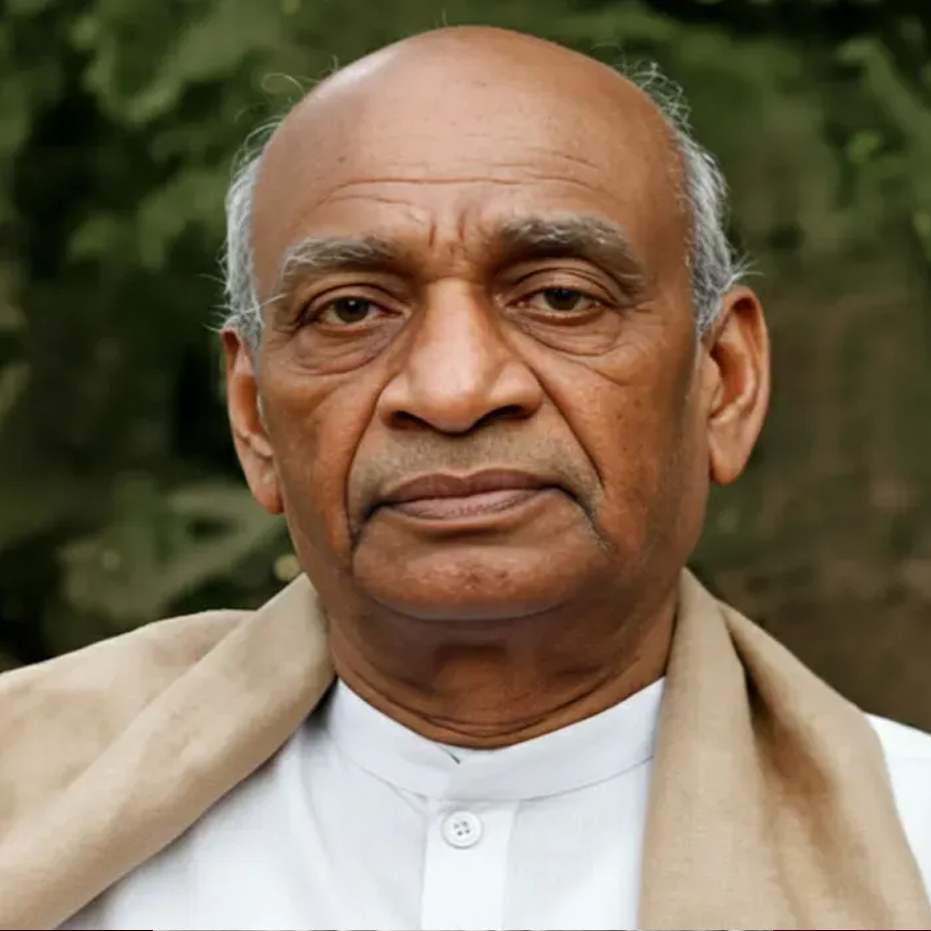
Sardar Vallabhbhai Patel (1875-1950)

  • Born in Nadiad (Gujarat) he was often referred to as the "Iron Man of India”.
  • He led successful campaigns against oppressive policies and taxation imposed by British authorities in Kheda Satyagraha (1918) and the Bardoli Satyagraha (1928).
  • He mobilised support for non-violent movements like Quit India Movement of 1942.
  • He presided over the 46th session (Karachi) of the Indian National Congress in 1931 which was called upon to ratify the Gandhi-Irwin Pact.
  • He became the first Deputy Prime Minister and first Home Minister of India.
  • He contributed to the integration of over 560 princely states into the Indian Union.
  • Values: Patriotism, courage, leadership
Watch Video News Today

Explore Related Content

Discover more articles, videos, and terms related to this topic

RELATED TERMS

3

Princely States

Semi-autonomous states ruled by Indian princes under the paramountcy of the British Crown, which were given the option to accede to India or Pakistan after independence.

Gandhi-Irwin Pact

An agreement signed on March 5, 1931, between Mahatma Gandhi and Lord Irwin, the then Viceroy of India. It led to the suspension of the Civil Disobedience Movement and the participation of the Indian National Congress in the Second Round Table Conference.

Quit India Movement

A significant civil disobedience movement launched by the Indian National Congress in August 1942, demanding an end to British rule in India during World War II. It called for the immediate withdrawal of the British from India.

Title is required. Maximum 500 characters.

Search Notes

Filter Notes

Loading your notes...
Searching your notes...
Loading more notes...
You've reached the end of your notes

No notes yet

Create your first note to get started.

No notes found

Try adjusting your search criteria or clear the search.

Saving...
Saved

Please select a subject.

Referenced Articles

linked

No references added yet