
Use of stem cells to treat autism unethical: SC | Current Affairs | Vision IAS
MENU
Home
Quick Links

High-quality MCQs and Mains Answer Writing to sharpen skills and reinforce learning every day.

Watch explainer and thematic concept-building videos under initiatives like Deep Dive, Master Classes, etc., on important UPSC topics.

ESC

In Summary

  • Supreme Court prohibits stem cell therapy for Autism Spectrum Disorder due to lack of proven safety and efficacy.
  • ICMR and NMC do not recommend SCT for ASD; its use outside approved clinical trials is considered professional misconduct.
  • Stem cell therapy, using special cells for tissue regeneration, is standard only for hematological disorders.

In Summary

The Supreme Court (SC) has categorically barred medical practitioners from offering stem cell therapy (SCT) as a treatment for Autism Spectrum Disorder (ASD).

  • ASD is a neurological and developmental disorder that affects how people interact with others, communicate, learn, and behave.
Ethical Issues Involved with use of SCT for ASD 

  • Proof of efficacy: It lacks proven safety and efficacy and is not recommended by Indian Council of Medical Research (ICMR) and NMC (National Medical Commission).
  • Unethical commercial use: Offering it as routine treatment violates accepted medical standards and ethics (Bolam test).
  • Consent Not Absolute: Patient autonomy under Article 21 does not extend to choosing unproven, unsafe therapies.
  • Research-Only Permission: It is allowed only in approved clinical trials, with regulatory and ethical safeguards.
  • Professional Misconduct: Its use, promotion or advertisement amounts to professional misconduct under NMC norms.

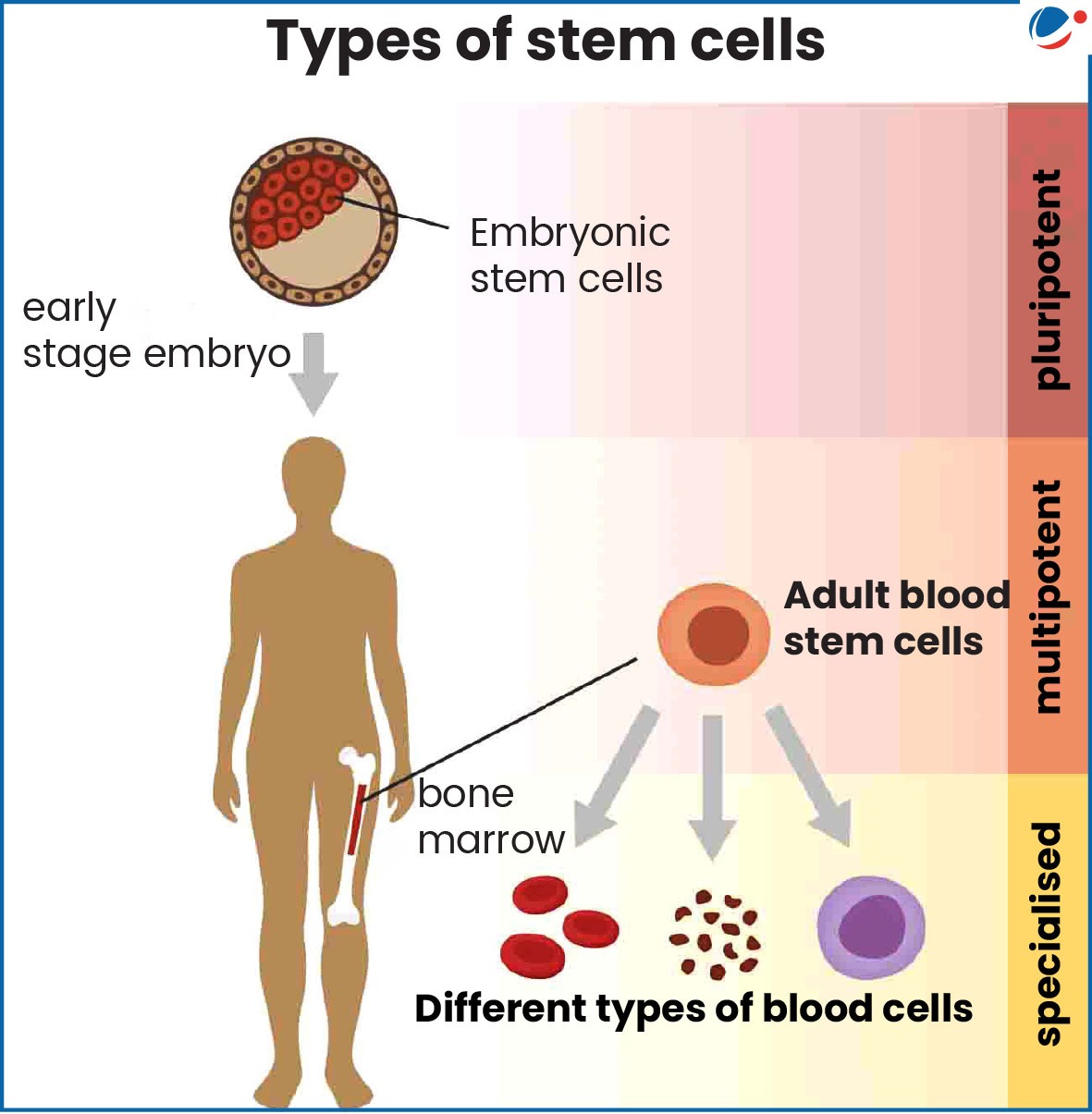
What is Stem Cell Therapy?

  • It uses stem cells as a treatment for a condition.
    • Stem cells are special cells, usually found in embryos and adult cells, that can turn into different types of cells and in some cases have the ability of self-renewal.
  • Standard application: Leukemia and Lymphoma, Parkinson's Disease etc.
    • ICMR (2021) recognises stem cell therapy as standard treatment only for hematological disorders (disorders of the blood and blood-forming organs).
  • Advantages: Enables tissue regeneration; targeted treatment and potential cures, especially in diseases where conventional therapies are limited etc.
Watch Video News Today

Explore Related Content

Discover more articles, videos, and terms related to this topic

RELATED VIDEOS

1
News Today (Jan 31, 2026)

News Today (Jan 31, 2026)

YouTube HD

RELATED TERMS

3

Hematological disorders

Disorders affecting the blood and blood-forming organs, such as leukemia and lymphoma. This is a key area where stem cell therapy is recognized as a standard treatment by ICMR.

Article 21

A fundamental right in the Indian Constitution that guarantees the right to life and personal liberty. It has been interpreted by the Supreme Court to include the right to privacy and dignity, which are challenged by unchecked digital state power.

Bolam test

A legal test used in medical negligence cases to determine whether a medical practitioner has acted with reasonable care and skill, according to the standard of a reasonably competent medical professional in the same field.

Title is required. Maximum 500 characters.

Search Notes

Filter Notes

Loading your notes...
Searching your notes...
Loading more notes...
You've reached the end of your notes

No notes yet

Create your first note to get started.

No notes found

Try adjusting your search criteria or clear the search.

Saving...
Saved

Please select a subject.

Referenced Articles

linked

No references added yet