
Personality in News | Current Affairs | Vision IAS
MENU
Home

Periodically curated articles and updates on national and international developments relevant for UPSC Civil Services Examination.

Quick Links

High-quality MCQs and Mains Answer Writing to sharpen skills and reinforce learning every day.

Watch explainer and thematic concept-building videos under initiatives like Deep Dive, Master Classes, etc., on important UPSC topics.

ESC

In Summary

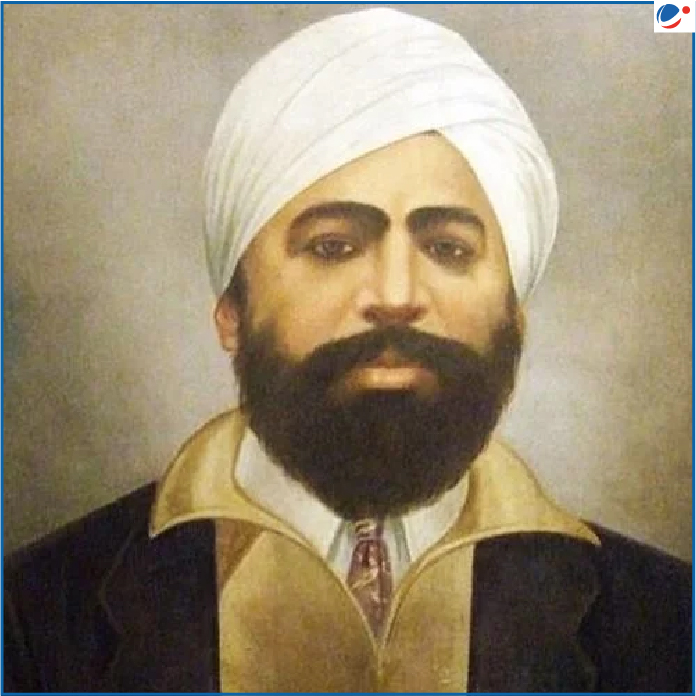
  • Shaheed Udham Singh (1899-1940), born in Sangrur, Punjab, was a revolutionary freedom fighter.
  • He avenged the Jallianwala Bagh massacre by assassinating Michael O’Dwyer in 1940.
  • Singh used the name 'Ram Mohammad Singh Azad' and was associated with the Ghadar Party and HSRA.

In Summary

The 126th birth Anniversary of Shaheed Udham Singh was celebrated on 26th December.

About Shaheed Udham Singh (1899-1940)

  • He was born in Sangrur district, Punjab in the undivided India.
  • He was a revolutionary freedom fighter who avenged the Jallianwala Bagh massacre by assassinating Michael O’Dwyer (the then Lieutenant Governor of Punjab) in 1940.
  • He used the name ‘Ram Mohammad Singh Azad’, representing the three major religions in India and his anti-colonial sentiments. 
  • He was an active member of the Ghadar Party and Hindustan Socialist Republic Association (HSRA).
  • Values: Patriotism, valour, secularism, etc.
Watch Video News Today

Explore Related Content

Discover more articles, videos, and terms related to this topic

RELATED TERMS

3

Michael O’Dwyer

The Lieutenant Governor of Punjab under British rule who sanctioned the Jallianwala Bagh massacre. He was assassinated by Udham Singh in London.

Shaheed Udham Singh

A prominent revolutionary freedom fighter from Punjab who avenged the Jallianwala Bagh massacre by assassinating Michael O'Dwyer. His actions embody patriotism, valour, and secularism.

Secularism

A principle that advocates for the separation of state from religion and religious institutions. In the Indian context, it means equal respect and treatment for all religions by the state, with no religion being favoured or discriminated against. This is a fundamental tenet of the Indian Constitution.

Title is required. Maximum 500 characters.

Search Notes

Filter Notes

Loading your notes...
Searching your notes...
Loading more notes...
You've reached the end of your notes

No notes yet

Create your first note to get started.

No notes found

Try adjusting your search criteria or clear the search.

Saving...
Saved

Please select a subject.

Referenced Articles

linked

No references added yet

Subscribe for Premium Features